
The Most Common Mistakes During Exam Season And Why They Hurt Your Grades
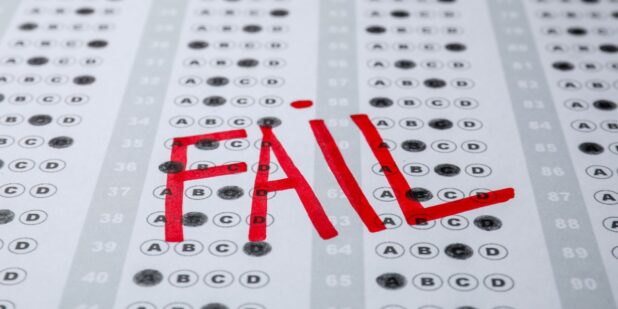
Do you feel like you spend hours studying but your results still don’t match the effort? During exam season, it’s often not just about how much time you study, but how you study. Some habits can seriously reduce your focus, make it harder to remember information, and ultimately cost you better grades — even when you’re trying your best.
The good news is that most of these mistakes can be avoided once you recognize them.
In this article, you’ll learn:
- why multitasking doesn’t work while studying,
- how to recognize passive learning,
- why studying for hours without breaks is ineffective,
- and how to build a more effective study routine during exams.
Multitasking: The Biggest Trap While Studying
Multitasking may work for simple or repetitive tasks, but it becomes a problem when you’re trying to learn new information.
A typical scenario looks like this: you read your notes for a few minutes, reply to a message, check Instagram, return to studying, switch to another subject, and suddenly you’re working on something completely different. Your brain keeps jumping between activities and never fully focuses on any of them.
And multitasking is not just about using your phone while studying. Constantly switching between assignments, topics, or subjects can be just as harmful. If you spend ten minutes on economics, then move to law, then to statistics, your brain never gets enough time to properly process any of them.
The result is usually:
- longer study time,
- worse concentration,
- and less information actually remembered.
It works much better to focus on one topic properly for a certain period of time and only then move to another.
It also helps to:
- turn off notifications,
- keep your phone out of reach,
- and study in shorter but focused blocks.
For example, 40 minutes of concentrated studying followed by a short break is often more effective than several hours of half-focused work.
Passive Reading Is Not Enough
One of the most common study mistakes is thinking you know something just because it feels familiar while reading it.
Passive studying often looks harmless: you go through your notes or textbook and think, “Yeah, I know this.” The problem comes later, when you need to explain or use the information without looking at the material.
Reading is only the first step of studying — not the final one. Your brain remembers information much better when you actively work with it.
Helpful methods include:
- summarizing the material in your own words,
- explaining topics out loud,
- testing yourself without notes,
- or writing down key terms and definitions from memory.
Actively recalling information is one of the most effective learning techniques.
More Hours Don’t Always Mean Better Results
During exam season, many students believe that sitting over their notes for longer automatically means better performance. In reality, studying for hours without breaks usually leads to exhaustion rather than productivity.
When you study continuously for too long:
- concentration drops,
- mistakes increase,
- and your brain stores information less effectively.
Your brain needs regular breaks. Shorter, structured study sessions are usually far more effective than all-day cramming.
Other important factors include:
- enough sleep,
- regular meals,
- staying hydrated,
- and having time outside of studying.
Exhaustion is often one of the main reasons students suddenly forget things during exams that they knew perfectly the night before.
Don’t Forget About Life Outside School
During exam season, it’s easy to fall into “study mode” all the time. But nobody can function well without rest for long periods.
Try to make time every day for something unrelated to studying:
- going for a walk,
- exercising,
- watching a series,
- listening to music,
- or simply spending time with friends.
Rest is not wasted time. It actually helps your brain process information and regain energy.
Final Thoughts
Success during exams is not only about intelligence or the number of hours spent studying. Very often, the deciding factor is the way you study.
Multitasking, passive reading, and overworking yourself can significantly hurt your results — even when you’re putting in a lot of effort. But once you create a more focused and sustainable routine, studying becomes more effective and exam season much less exhausting.
Current Study Offer for 2026/2027:
Don't know what to study? Test yourself in 5 minutes! Start the test


See more articles on the topic

What is the difference between “vysoká škola” and university?
Before deciding which school to apply to, it’s helpful to understand some terminology. If you delve deep into our list of universities, you might find, that some universities are called “vysoké školy” in Czech. So, what exactly is the difference between a “vysoká škola” and an “univezita” in Czechia? And how do faculties and departments […]
read more
University Exam Period in the Czech Republic: How Does It Work?
Are you starting university in the Czech Republic? Congratulations! 🎓 Chances are that the exam period at Czech universities works a bit differently than in your home country. Let’s walk you through how it works, what to expect, and how to prepare — without unnecessary stress. What Is the Exam Period in the Czech Republic […]
read more
Christmas Is Not Exam Season. How University Students Can Truly Relax
Christmas holidays are often overshadowed by upcoming exams, deadlines, and academic pressure. For many university students, stress doesn’t stop just because the semester ends. However, Christmas should still be a time to slow down, recharge, and restore your mental and physical energy. Here are practical tips on how students can truly relax during the Christmas […]
read more